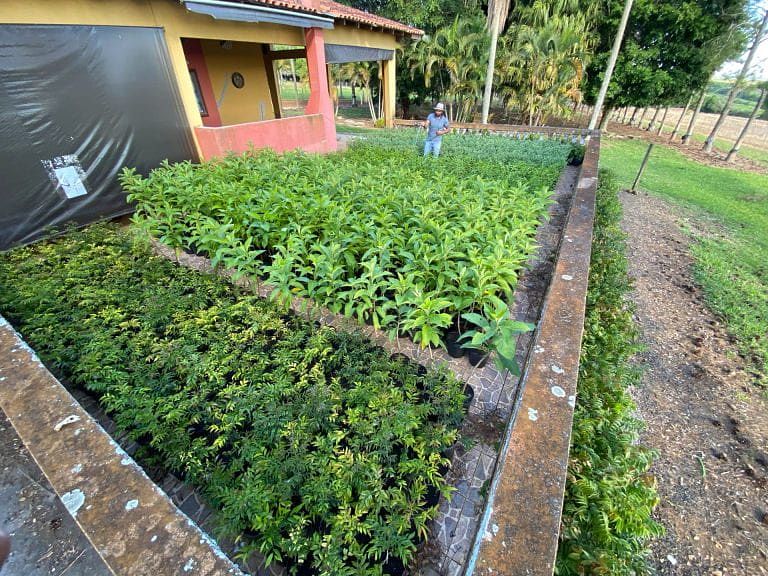
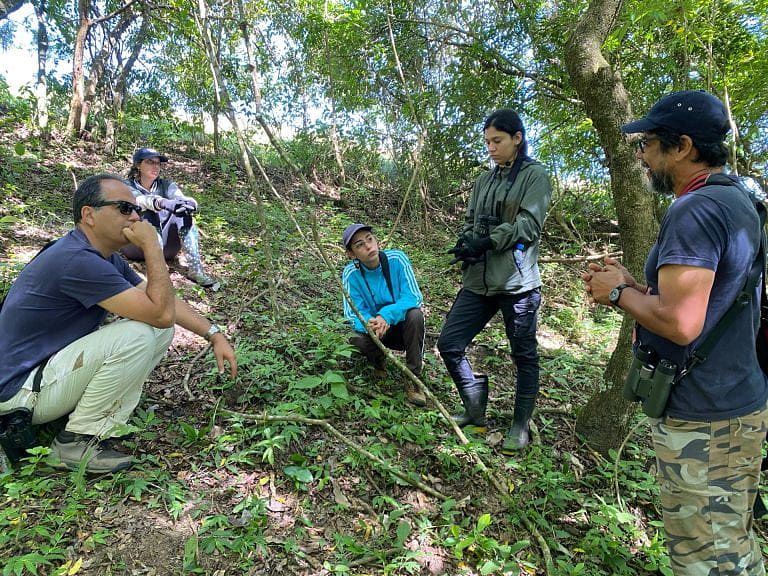
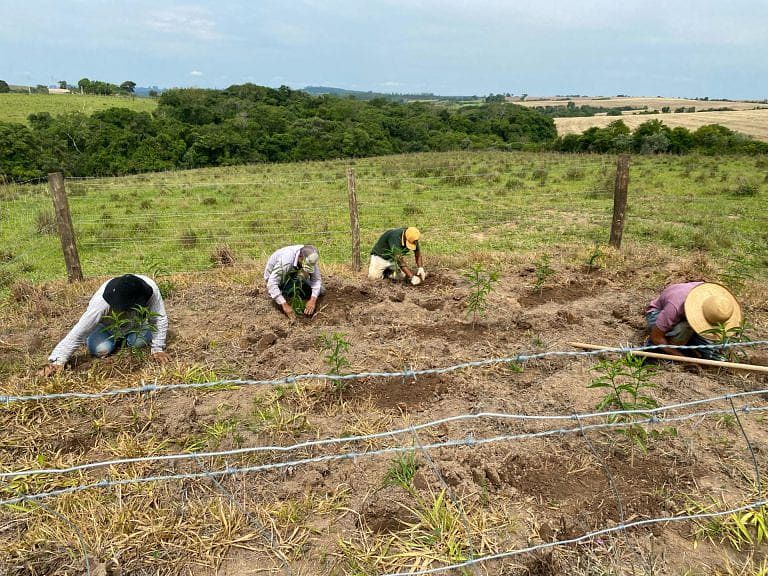
This project is built around three aims that link phylogenetic, genetic, and functional aspects of biodiversity, examining how frugivory and seed dispersal (FSD) interactions shape community assembly in early-successional tropical forests.
Using an experimental design that incorporates functional plant traits and phylogenetic relationships, the project tests how FSD processes and phylogeny jointly affect community assembly (Aim 1). It then examines how the interaction between FSD processes and the functional-phylogenetic traits of pioneer plants influences the genetic diversity of the colonizer species that follow — and, in turn, how this genetic diversity affects plant survival, growth, and community structure (Aim 2). Finally, the project explores how biotic filtering by FSD processes and the functional and phylogenetic diversity of successional communities influence — and are influenced by — soil microbiomes and the nutrient pools and carbon transformation processes they control (Aim 3).
The project is supported by the São Paulo Research Foundation (FAPESP) and the U.S. National Science Foundation (NSF), in collaboration with Marina C. Côrtes (UNESP, Rio Claro), Pedro Brancalion (ESALQ, USP), and Tomás A. Carlo, James Marden, and Francisco Dini Andreote (Penn State University, USA).